


.png)
Shark Tank has become one of the most influential business reality shows in the world, and a major reason for its success is the panel of investors evaluating each pitch. The shark tank us judges are not just television personalities. They are real entrepreneurs and investors who put their own money, reputation, and experience on the line.
Why Shark Tank US Judges Are Central to the Show
Viewers are drawn to the judges because they represent different paths to success. Some built billion-dollar companies, others mastered licensing and branding, while a few built fortunes in real estate or technology. Watching how these judges question founders, analyze numbers, and negotiate deals turns the show into a practical business lesson rather than pure entertainment.
Over time, the judges themselves have become a primary reason people watch the show. Many viewers tune in as much for their reactions and advice as they do for the products being pitched. This makes the judges central to the identity and long-term popularity of the show.
If you’re looking for updated viewing options, platforms, and availability by country, this guide on where to watch Shark Tank provides a complete and current overview.
Who Are the Shark Tank US Judges?
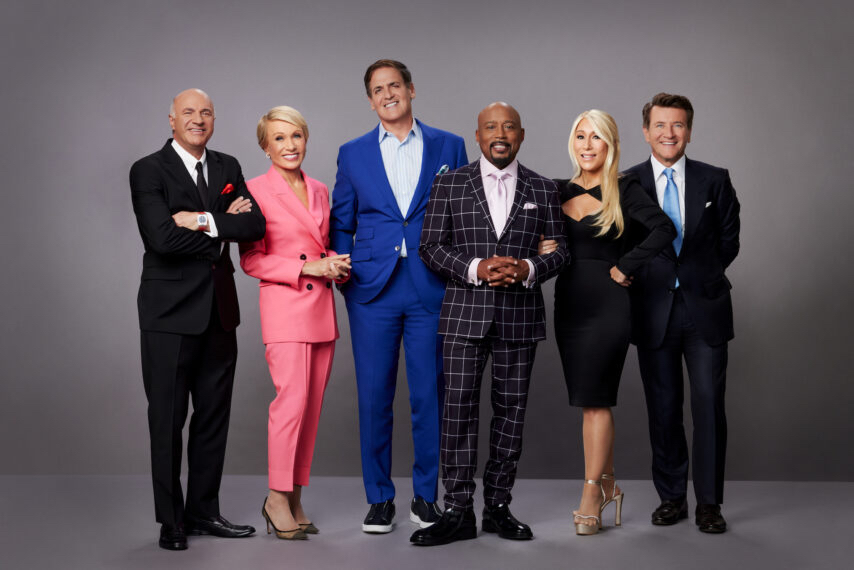
The panel consists of accomplished business leaders who evaluate startup pitches and decide whether to invest their own money. Unlike traditional reality show judges, they are not offering opinions alone. Every decision involves real financial risk and long-term commitment.
Main Shark Tank US Judges
Mark Cuban
A technology entrepreneur and owner of the Dallas Mavericks, Mark Cuban focuses on scalable businesses, strong leadership, and long-term growth potential.
Lori Greiner
Known for her success in retail and product licensing, she specializes in consumer products that can scale quickly through mass-market distribution.
Kevin O’Leary
Often called “Mr. Wonderful,” he prioritizes profits, margins, and structured deals, with a strong focus on financial discipline.
Barbara Corcoran
A real estate mogul who values sales skills, founder grit, and market understanding over perfect spreadsheets.
Daymond John
Founder of FUBU, he focuses on branding, consumer connection, and businesses with strong cultural relevance.
Robert Herjavec
A technology entrepreneur who evaluates cybersecurity, software, and scalable service-based businesses.
Each judge brings expertise from a different industry, which allows founders to receive feedback from multiple perspectives during a single pitch. Even when judges choose not to invest, their feedback often helps entrepreneurs refine and strengthen their businesses.
Shark Tank US Judges: In-Depth Profiles With Net Worth
Mark Cuban

Estimated net worth: $5+ billion
Mark Cuban is one of the wealthiest judges and a dominant presence on the panel. He built his fortune through technology and media, most notably by selling Broadcast.com to Yahoo, and later expanded his wealth through sports ownership and diversified investments.
On the show, Mark Cuban focuses on scalable, high-growth businesses, particularly those driven by technology, innovation, or strong leadership. He prioritizes long-term value over short-term gains and often backs founders who demonstrate confidence, clarity, and deep market understanding.
His high net worth allows him to take bigger risks and move quickly on deals he believes in. Cuban is also known for being decisive and expects founders to show strong conviction when negotiating with him.
Lori Greiner

Estimated net worth: $150–200 million
Lori Greiner is widely known as the most successful product and licensing expert among the Shark Tank panel. She built her wealth by creating, patenting, and licensing consumer products that achieved massive retail success.
On Shark Tank, Lori specializes in consumer products that are easy to understand, demonstrate, and distribute at scale. She pays close attention to packaging, pricing, and mass-market appeal, making her a strong partner for founders targeting retail expansion.
Her net worth reflects long-term consistency rather than one major exit. Lori’s value often comes from her ability to turn simple ideas into high-volume retail brands through strategic placement and branding.
Kevin O’Leary
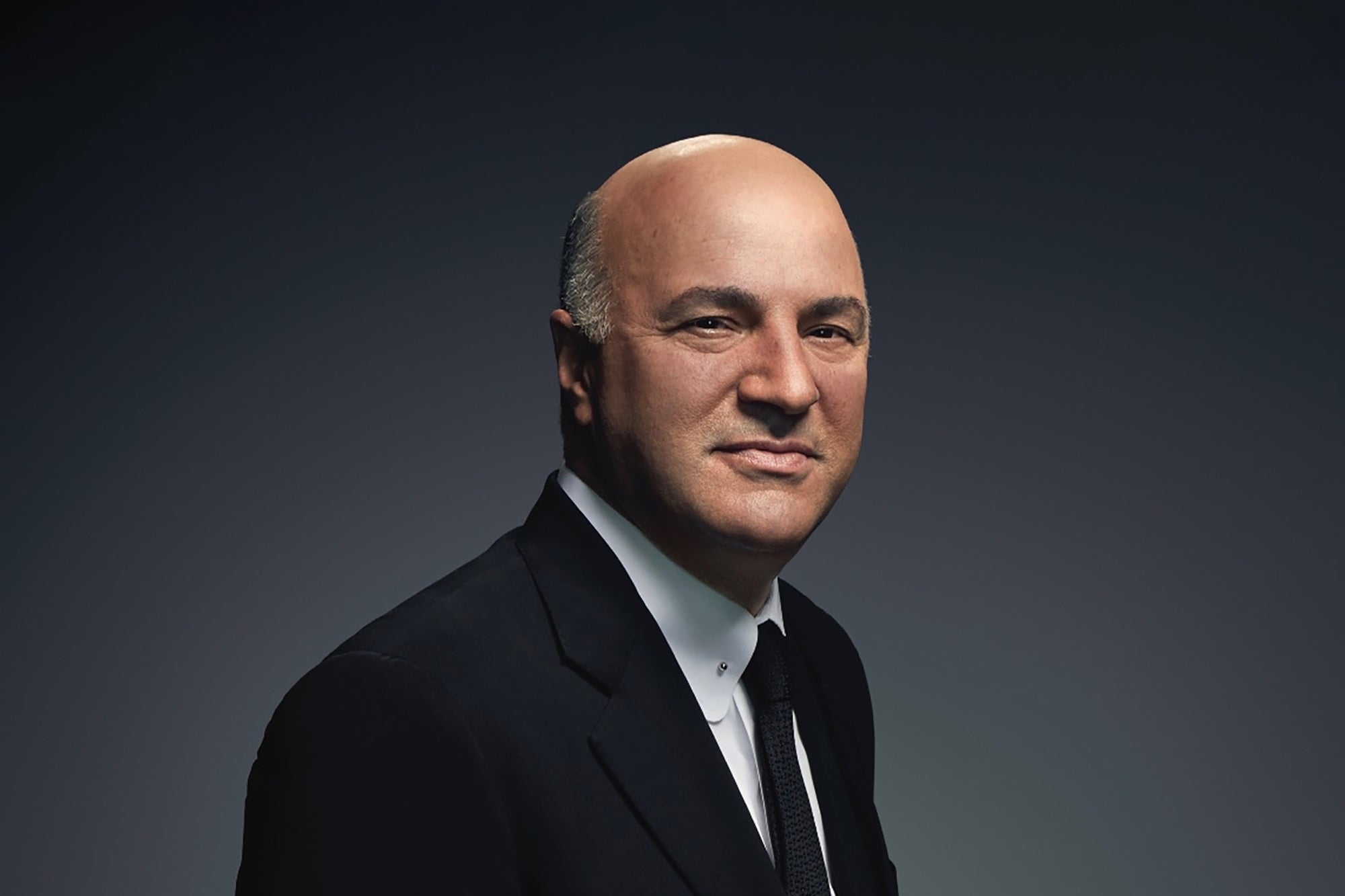
Estimated net worth: $400+ million
Kevin O’Leary, also known as “Mr. Wonderful,” is one of the most financially disciplined Shark Tank US judges. He built his early success through software ventures and later expanded into finance, investing, and media.
Kevin is focused on profits, margins, and predictable returns. He frequently structures deals around royalties or licensing rather than equity alone, ensuring steady cash flow. Emotional stories rarely influence his decisions unless the numbers are strong.
His wealth allows him to structure conservative deals that protect downside risk. Kevin’s approach teaches founders an important lesson: a great product is meaningless without a clear path to profitability.
Barbara Corcoran

Estimated net worth: $100+ million
Barbara Corcoran built her fortune through real estate, starting with limited resources and growing a highly successful brokerage business. Among the judges, she is known for relying heavily on instinct and experience.
Barbara prioritizes founder personality, sales ability, and resilience. She believes strong operators can overcome imperfect products, which is why she often invests in entrepreneurs who show grit and adaptability.
Her net worth reflects long-term entrepreneurial success rather than rapid scaling. Barbara’s strength lies in spotting founders who can sell, execute, and grow through challenges.
Daymond John
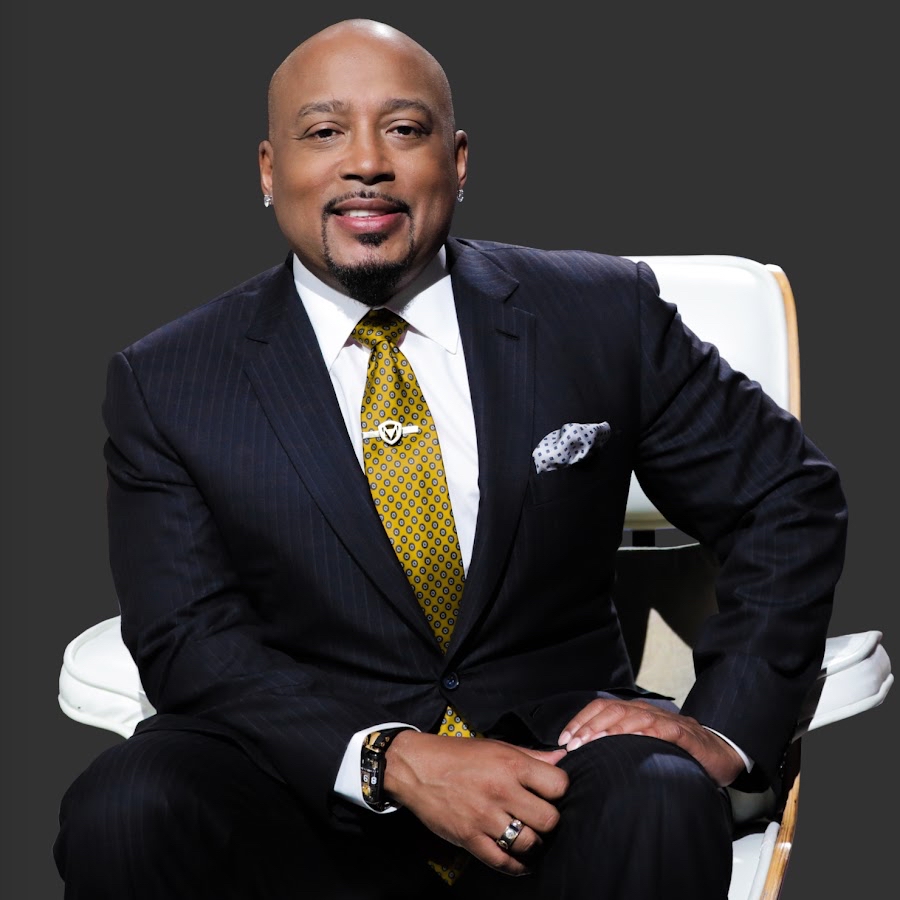
Estimated net worth: $300+ million
Daymond John is the founder of FUBU and one of the most brand-focused judges. He built his wealth by creating a culturally relevant apparel brand that scaled globally.
On the show, Daymond looks for businesses with strong branding, clear identity, and loyal customer bases. He often invests in consumer, fashion, and lifestyle brands that connect emotionally with their audience.
His net worth reflects long-term brand building rather than short-term exits. Daymond frequently mentors founders on protecting brand value, controlling costs, and scaling responsibly.
Robert Herjavec

Estimated net worth: $200–300 million
Robert Herjavec built his fortune in technology and cybersecurity, founding and selling multiple tech companies. Among the judges, he brings a strong focus on systems, infrastructure, and scalability.
Robert is particularly interested in technology-enabled businesses, services, and software platforms. He values operational clarity, defensible technology, and long-term planning.
His wealth allows him to invest patiently in complex businesses that require time to mature. Robert is also known for his empathetic mentoring style, especially with first-time founders.
How Net Worth Shapes the Shark Tank US Judges’ Approach
The wide range of net worth among the judges creates balance:
- Billionaire judges can take larger, riskier bets
- Mid-range investors focus on structured, profit-driven deals
- Brand builders emphasize long-term customer value
Together, this mix ensures that pitches are evaluated from multiple financial and strategic perspectives, making the show both realistic and educational.
How Shark Tank US Judges Choose Which Deals to Make
The decision-making process of the shark tank judges is far more structured than it may appear on television. While the conversations feel spontaneous, each judge is mentally running through a checklist based on years of entrepreneurial and investing experience.
One of the first things judges assess is traction. This includes current revenue, customer demand, and growth trends. A product with proven sales immediately stands out, as it reduces uncertainty and validates market demand. Early-stage ideas are not rejected outright, but they must show strong potential and a clear path to monetization.
Another critical factor is unit economics. They closely examine production costs, margins, and scalability. If a business cannot maintain healthy margins as it grows, judges often step out regardless of how exciting the product may seem.
Founder quality also plays a major role. Judges consistently emphasize that they invest in people as much as ideas. They look for founders who:
- Know their numbers clearly
- Answer questions honestly
- Show adaptability when challenged
- Demonstrate leadership and long-term commitment
Valuation is another deciding factor. If the valuation does not align with current performance or market reality, judges may counter with revised terms or decline entirely. Many deals fall apart not because the idea is weak, but because the valuation is unrealistic.
Ultimately, the shark tank us judges aim to balance risk and reward. When all key elements align—product, founder, numbers, and market opportunity—deals move quickly and confidently.
Investment Styles of Shark Tank US Judges Compared
While the judges share common evaluation principles, their investment styles differ significantly, which is why founders often tailor pitches to specific judges.
Some judges are numbers-driven investors. They focus heavily on profitability, margins, and predictable returns. These judges prefer structured deals, sometimes involving royalties or licensing, and are cautious about emotionally driven investments.
Others are brand and vision-focused investors. They prioritize storytelling, customer connection, and long-term brand potential. These judges may invest earlier, even if numbers are not perfect, as long as the brand shows strong consumer appeal.
There are also judges who lean toward scalability and systems. They evaluate whether a business can grow efficiently through technology, infrastructure, or repeatable processes. These judges often back software, services, or technology-enabled models.
Key differences in investment styles include:
- Conservative versus aggressive risk tolerance
- Equity-focused deals versus royalty-based structures
- Early-stage belief versus traction-based validation
- Brand-led growth versus profit-first strategies
This diversity is one of the show’s greatest strengths. A business that does not appeal to one judge may strongly resonate with another. For viewers and entrepreneurs alike, comparing the approaches of these judges provides valuable insight into how different investors think and why there is no single formula for success.
Most Successful Deals Made by Shark Tank US Judges
Over the years, these investors have backed several businesses that went on to achieve massive growth. These success stories are not just about high returns; they reveal clear patterns in how strong ideas, capable founders, and the right investor partnership can accelerate scale.
What successful deals tend to have in common:
Clear product–market fit from the beginning
Businesses that solve a real, specific problem and already show customer demand tend to perform best after the show.
Strong founder execution
Judges often emphasize that disciplined execution matters more than the original idea. Founders who listen, adapt, and move quickly benefit most from mentorship.
Strategic alignment with the judge
Deals succeed when the judge’s expertise directly supports the business, whether through retail access, branding, licensing, or technology.
Post-show operational readiness
Companies that prepared for traffic spikes, inventory demand, and customer support were able to convert exposure into sustainable growth.
Many of the most successful investments involved judges staying actively involved after filming. This includes helping founders secure retail distribution, renegotiate manufacturing contracts, or refine pricing strategies.
For viewers, these success stories reinforce an important lesson: investment works best when money, mentorship, and execution align.
For a detailed breakdown of standout launches and post-show performance, this curated list of successful Shark Tank products offers a clear look at which businesses truly capitalized on their exposure
Richest Shark Tank US Judges and How Wealth Influences Deals
Among all the investors on the show, Mark Cuban is widely recognized as the richest judge. His net worth is estimated to be over 5 billion dollars, placing him far ahead of the rest of the panel in terms of personal wealth.
Mark Cuban built the foundation of his fortune through technology and media. His early success came from founding Broadcast.com, which was acquired by Yahoo during the dot-com boom. Over time, he diversified his wealth through sports ownership, technology investments, and a wide range of business ventures.
His financial position influences how he approaches deals on the show. With greater capital flexibility, he is often willing to:
- Take larger equity positions
- Invest in long-term growth rather than quick returns
- Back bold ideas that require patience and scale
However, wealth alone does not dictate his decisions. He remains highly selective and often emphasizes leadership quality, vision, and control over the business. Mark Cuban frequently walks away from deals where founders lack clarity or strategic ownership, regardless of how exciting the idea appears.
For viewers and entrepreneurs, his presence highlights an important lesson. Even the wealthiest investor prioritizes fundamentals, execution, and founder capability over hype. This reinforces the show’s core message that strong businesses are built on discipline, not just capital.
Guest Judges on Shark Tank US and Their Role
In addition to the core panel, shark tank us judges are occasionally joined by guest judges. These guest investors are typically successful entrepreneurs, executives, or industry leaders who bring specialized expertise to the show.
The purpose of guest judges includes:
- Adding fresh perspectives to the panel
- Bringing deep knowledge from specific industries
- Offering founders access to niche networks and experience
Guest judges often come from areas such as:
- Technology and startups
- Entertainment and media
- Sports and personal branding
- Direct-to-consumer and digital businesses
While guest judges follow the same rules as core judges and invest their own money, their approach can differ. Some are more aggressive, eager to make a mark on the show, while others are selective and focus on strategic alignment.
For founders, the presence of guest judges can change deal dynamics. A product that may not appeal to the regular panel could attract strong interest from a guest judge with relevant background. For viewers, guest judges keep the show engaging and introduce new investment styles.
Shark Tank US Judges vs Judges in Other Countries
The Shark Tank panels are often compared with judges from international versions of the show, such as those in India, the UK, or Australia. While the format remains similar, investment behavior can vary significantly.
Key differences include:
Deal size and valuation
US judges typically invest larger amounts and evaluate companies at higher valuations due to market scale.
Risk appetite
US judges often take bolder risks, especially in consumer brands and technology-driven ideas.
Market expectations
Businesses in the US version are expected to scale nationally or globally, while other regions may focus more on regional dominance.
Negotiation style
US judges tend to negotiate aggressively and openly compete with one another for high-potential deals.
Despite these differences, one similarity remains constant. Across all regions, judges prioritize strong fundamentals, clear vision, and capable founders.
For readers interested in how the Indian panel compares, this overview of Shark Tank India Season 5 judges highlights the backgrounds, expertise, and investment approaches of the current lineup.
Most Memorable Deals Made by Shark Tank US Judges
Over the years, the judges have made several deals that became defining moments for the show. These investments stood out not only because of their financial returns, but also because they demonstrated how strong ideas paired with the right investor can scale rapidly.
What makes a deal memorable:
- Clear product market fit from the start
- Strong founder confidence and execution ability
- Strategic alignment between the judge and the business
- Rapid growth after appearing on the show
Many of the most talked-about deals share a common pattern. Judges recognized potential early, negotiated favorable terms, and then actively supported the business through mentorship, retail access, or licensing opportunities.
These deals also influenced how future entrepreneurs pitch. Founders now study past successes to understand what judges respond to, from storytelling style to financial clarity. For viewers, these moments reinforce the idea that the right guidance can dramatically change a company’s trajectory.
Deals That Failed Despite Judge Backing
Not every investment made by the shark tank us judges turns into a success story. Some businesses struggle or fail even after securing funding and mentorship. These cases highlight the reality of startup risk.
Common reasons deals fail include:
- Overestimating market demand
- Inability to scale production or operations
- Rising costs that erode margins
- Increased competition after initial visibility
In some cases, external factors such as economic shifts or supply chain disruptions play a role. In others, internal issues like leadership challenges or slow decision-making hold the business back.
These failed deals serve an important purpose. They remind viewers that even experienced investors cannot predict every outcome. For entrepreneurs, they reinforce the importance of adaptability, execution, and resilience beyond initial funding.
How Shark Tank US Judges Influence Entrepreneurship
The shark tank us judges have had a significant impact on modern entrepreneurship, especially for first-time founders and small business owners. Beyond entertainment, the show has become an informal education platform for millions of viewers.
Key ways the judges influence entrepreneurship include:
Raising business literacy
Viewers learn core concepts such as valuation, margins, equity, and scalability simply by watching pitches and negotiations.
Shaping how founders prepare pitches
Entrepreneurs now focus more on clarity, numbers, and storytelling, knowing that vague answers quickly lead to rejection.
Encouraging realistic expectations
The judges openly challenge inflated valuations and weak assumptions, helping normalize honest conversations about risk.
Promoting mentorship-driven growth
Many deals emphasize guidance and strategic support, not just capital, reinforcing the importance of experienced advice.
For aspiring entrepreneurs, watching the judges evaluate ideas helps build a practical mindset. It highlights that success is not just about creativity, but also about discipline, execution, and adaptability.
Public Perception and Popularity of Shark Tank US Judges
The shark tank us judges have become public figures with strong fan followings. Viewers often develop preferences based on personality, investment style, or communication approach.
Factors that shape public perception include:
On-screen personality
Some judges are seen as tough and direct, while others are viewed as supportive and encouraging.
Consistency in decision-making
Judges who clearly explain why they invest or step out tend to earn more trust from audiences.
Successful past investments
High-profile success stories increase credibility and popularity.
Authenticity
Judges who appear genuine and transparent resonate more with viewers.
This popularity extends beyond the show. Many judges influence business culture through speaking engagements, books, podcasts, and social media. Their opinions often shape public conversations around startups, investing, and innovation.
Why Shark Tank US Judges Matter
The investors on the show are central to what makes the show impactful. They bring real-world experience, financial accountability, and diverse perspectives that transform pitches into learning moments. Whether deals succeed or fail, their involvement provides valuable insight into how businesses are evaluated in the real world.
For viewers, the judges offer education and inspiration. For entrepreneurs, they represent the standards and expectations of serious investors. This combination is what keeps Shark Tank relevant, informative, and widely watched year after year.
Frequently Asked Questions About Shark Tank US Judges
Who are the Shark Tank US judges?
The shark tank us judges are successful entrepreneurs and investors who evaluate startup pitches on the show Shark Tank and decide whether to invest their own money.
Do the judges invest their own money?
Yes. All deals made on the show involve the judges investing their personal funds, which is why their evaluations are strict and financially driven.
Are all deals shown on TV finalized later?
No. Some deals fall through after filming due to due diligence issues, valuation changes, or disagreements on final terms.
How many judges are on Shark Tank US?
The panel typically includes several core judges each season, along with occasional guest judges who appear for specific episodes.
Can multiple Shark Tank US judges invest in one business?
Yes. Joint deals are common when judges see value in combining their expertise, networks, or resources.
Do Shark Tank US judges stay involved after the show?
In many cases, yes. Judges often provide mentorship, strategic guidance, and access to networks beyond the initial investment.
Why do judges sometimes drop out even if they like the product?
Judges may step out due to valuation concerns, low margins, limited scalability, or a lack of alignment with their expertise.
Are Shark Tank US judges involved in day-to-day operations?
Usually not. Their role is typically advisory rather than operational, though involvement levels vary by deal.
.png)

.png)
.png)
.png)